MG Metro Profile
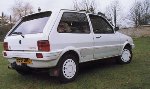
MG Metro
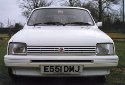
| The Metro was launched on October 8th 1980 as the car to save British Leyland. It was introduced as a new concept to replace the original Mini with a larger and better appointed car. From the outset luxury versions of the Metro were planned with models such as the Vanden Plas 1300 and for a high performance car it was decided to revive the MG name. Therefore, eighteen months after the closure of the MG factory in Abingdon British Leyland announced that a new performance version of their Super Mini would be launched carrying the octagon badge and called the MG Metro. | Neat body design is complimented by MG badging |
| Despite the resentment felt by some die-hard enthusiasts at the time, the MG Metro was well accepted by the motoring press. For the majority of MG fans the prospect of a new MG version of the Metro was regarded as a step in the right direction. |
|
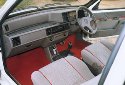
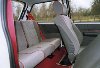
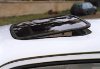
When the MG Metro was revealed to the public in 1982 it apeared to be attractively finished and sufficiently distinctive to maintain the tradition of the marque. The MG Metro’s engine was fitted with a modified camshaft, bigger valves and twin outlet exhaust manifold but retained a single SU carburettor which gave it 72bhp at 6000rpm. The suspension, steering and brakes of the standard car were unchanged as these were more than adequate to cope with the uprated performance but the car was given a handsome set of pepper pot style cast-alloy wheels shod with low-profile tyres. The gear box was also unchanged but the smaller tyres made the overall gearing slightly lower. The body was fitted with a large spoiler on the rear hatch and a neat slatted grille with a red and silver MG badge in the centre. In addition to the grille badge the body was decorated with side and rear transfers to proclaim its MG status. The interior was very well appointed with a pair of handsome supportive front seats with distinctive red seat belts and an excellent thick rimmed leather covered steering wheel. The level of interior trim was good with fabric inserts in the door panels to compliment the seats and the distinctive red carpet. The switches and dash were very similar to the standard Metro but the MG did have a rev counter to match the speedometer. Performance Contemporary road testers all praised the nippy performance of the MG Metro but many commented that the car would have been even better if it had a fifth gear. However, the engine was praised for being both vigorous and free revving. The modified cam gave the unit a lumpy tickover with little action below 2000 rpm but when made to work hard the engine pulled really well. On the MIRA test track the little MG achieved 100 mph at 5,800 rpm while the 0-60 time was quoted as 10.9 seconds. There is little doubt that the MG Metro’s performance and well appointed interior did a great deal to make it agreeable to established MG fans and enabled it to win many new friends and supporters. On the road Driving the little MG Metro today is a familiar experience to anyone who has already taken the wheel of the standard car but the improvements in performance and trim are obvious. The comfortable seats and smart interior all contribute to a better quality driving experience. Contemporary road testers compared it to the original Mini-Cooper and there is certainly a strong similarity between the two models. The little engine needs to be made to rev to give the best performance but it is a willing worker. Major controls are excellent with a light clutch and positive gear change. As the steering is so light the extra thick leather rimmed steering wheel is ideal for precise control. The driving position is rather upright by modern standards but the seats are very supportive and the ride is comfortable so that overall the car is easy to live with and pleasant to drive. Metro roadholding is already good but it becomes all the more impressive when combined with the extra performance of the uprated A series engine. The cabin provides adequate seating for four adults which makes the little car an ideal entry level MG or a useful second vehicle for the established MG enthusiast. Feature car The car featured was particularly well appointed being a later model having colour coded bumpers and matching rear spoiler. It was also equipped with central locking, a tinted glass sunroof and a roof mounted digital clock. However on this model the alloy wheels had been replaced by steel wheels with plastic wheel trims. |
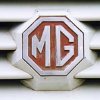 Red and silver became the predominant colours for badging on the MG Metro 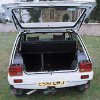 Large hatchback and rear seats that fold forward give the little MG excellent load carrying capacity |

Buying a used MG Metro
| If you looking for an MG Metro to buy then the first major consideration is the condition of the bodywork. Like all Metros there are several areas which are prone to rust, front wings are particularly bad in this respect, front valences also seem to suffer from chip damage which quickly turns to corrosion. Sills need to be carefully examined for rust and also the doors can corrode along their bottom edges. The fuel filler flap and the area around it can develop local rusty patches, probably as a result of paintwork being chipped by careless use of the petrol pump filler nozzle.
A series engines are robust, easy for the DIY enthusiast to care for and tend to last well if properly maintained. Beware of MG Metros that have been thrashed because hard use in combination with infrequent servicing can shorten the life of the engine and gearbox. This is because the gearbox shares the sump with the engine and can wear badly on high mileage cars. Hydrogas suspension can droop, sometimes unevenly and may need to be pumped up by a local Rover agent. Check the alloy wheels for signs of corrosion and curb damage on the rims. Look out for examples which have good bodywork and a well documented service history. It makes better economic sense to buy a car that is sound and keep it in good condition rather than buy a poor example for extensive restoration. |
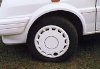 Plastic wheel trims are not as smart as the alloys but much more resilient
|
Richard Ladds
Specification
| Engine: | Number of cylinders Four in line |
| Bore & Stroke: | 7.61mm x 81.28 mm |
| Capacity: | 1275cc |
| Compression Ratio: | 10.5:1 |
| Valve operation: | Pushrod overhead valve |
| Carburation: | Single horizontal SU |
| Power Output: | 72 bhp @ 6,000rpm |
| Transmission Gearbox: | 4 speed all synchromesh |
| Clutch: | Single dry plate |
| Suspension: | Independent Hydrogas all-round |
| Wheels: | Bolt cast alloy or steel with mag-look hub caps |
| Brakes: | Servo assisted, discs at front drums at rear |