MG TF on the Assembly Line part two
Last month we followed the main body assembly process of a new MG TF from the point where the painted body dropped down onto the body assembly line in CAB 1 (Car Assembly Building) at Longbridge, to the completed body awaiting the main mechanical assemblies.
|
 |
 |
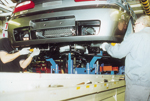 |
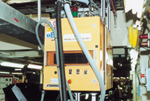
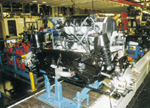
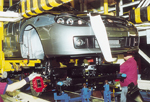
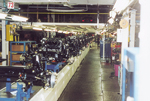
This month we start at the second, lower line where bare front and rear subframes are placed on jigs that are fixed onto the line. Then the suspension, hubs, brakes and driveshafts are assembled prior to the engine and gearbox being delivered from above and lowered into place. The jigs provide correct location to allow the finished body to then be lowered onto the subframes. Whilst the assembly is progressing on the subframes the assembled body awaits for the correct moment to be lowered gently onto the assembled subframes. Ironically this is known as the ‘Body Drop’. Once the frames are bolted up the assembly process continues with fitting of wheels, exhaust and other small components, then final trim items.
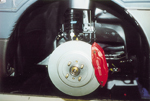 |
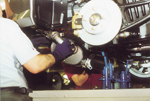 |
 |
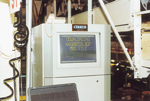 |
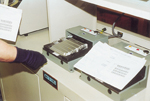
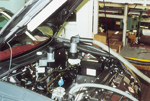
During the latter stages of assembly I noted that only one base MEMS engine management control was being used for all the different specification cars. This is unlike the MGF that used different control systems, each with a specific control unit. Here the unprogrammed base MEMS control unit is loaded into a docking station where it has the correct mapping downloaded through bar code identification as the car arrives at this station.
 |
 |
 |
 |
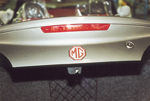
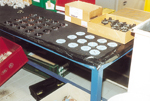
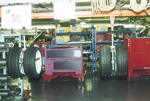
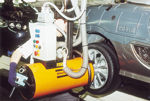
Another very interesting process is seeing how brake, clutch and coolant fluids are added to each vehicle efficiently and quickly. This is achieved by way of evacuating all air from these systems before replacing it with the appropriate fluid, no bleeding, no fiddling, no airlocks – most impressive.
 |
 |
 |
 |
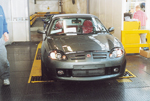
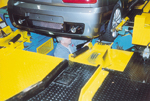
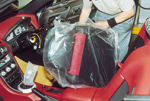
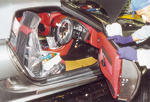
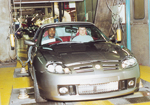
At the end of the line a very comprehensive check process is followed dynamically and statically with and without electronic confirmation. This includes a run on a rolling road and a static check of all electrical and other dynamic functions. Next the car is moved to a specific rig where the front and rear wheel alignment is set. Noting here that with a steel spring suspension the TF’s ride height is fixed and not subject to change as was the case with the MGF’s Hydrolastic suspension.
 |
 |
 |
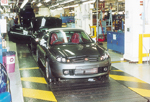 |
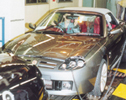
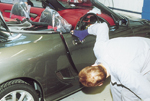
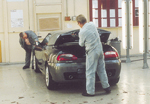
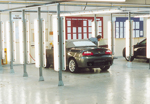
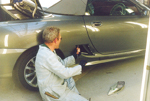
If any minor rectification is needed, it can be done on the TF within minutes. The skill of those attending to the body is quite fascinating to watch, and I didn’t see any faults logged in any of the cars around as a matter of interest. Finally, the TF is moved out of the main building to a sub building for final quality checks, where items before despatch includes a comprehensive session in an ‘all round’ power shower, and fitting of the explosive air bags.
 |
 |
 |
 |
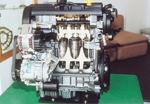
IN NEXT MONTH’S ISSUE – Bodies and Engines We move away from Longbridge and take a glimpse at the Mayflower MG TF body production facility and some of the processes involved in the engine build at the Cofton Hackett Powertrain Ltd engine/gearbox factory.
 |
 |
 |
 |